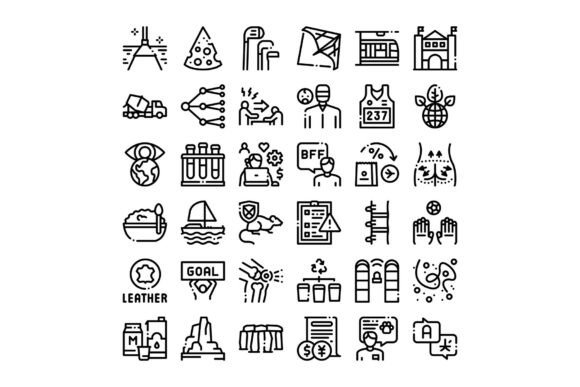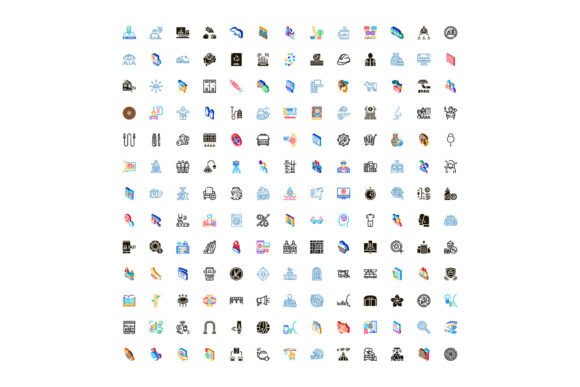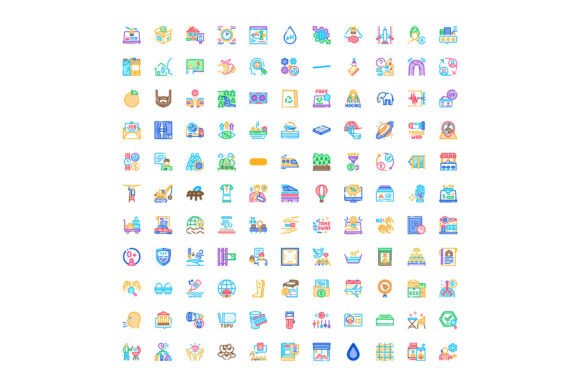
Collection of Diverse Line Graphics Icon: A Versatile Toolkit for Modern Design
The Collection of Diverse Line Graphics Icon offers a comprehensive set of minimalist, line-based icons that cater to a wide range of design needs. These icons are crafted with precision and clarity, making them ideal for UI/UX, web, and app design projects. Their clean, modern aesthetic ensures they can be seamlessly integrated into various digital interfaces while maintaining visual harmony.
What sets this collection apart is its focus on diversity and adaptability. Each icon is designed to represent modern business, technology, social, and environmental concepts, offering a broad spectrum of visual metaphors. This makes the collection particularly useful for designers looking to create cohesive visual systems that communicate complex ideas effectively.
Understanding the Unique Value of Line Graphics Icons
Line graphics icons are known for their simplicity and clarity. Unlike filled or detailed icons, they rely on minimal strokes to convey meaning. This approach not only reduces visual clutter but also enhances scalability across different screen sizes and resolutions. The Collection of Diverse Line Graphics Icon leverages this strength by ensuring each icon remains recognizable at any size.
Compared to other icon styles, such as flat or glyph-based designs, line graphics often provide a more dynamic and expressive feel. They can be easily modified or customized without losing their core identity, which is a significant advantage for designers working on evolving projects.
How It Compares to Similar Design Resources
When evaluating design resources, it's important to consider factors like versatility, style consistency, and ease of use. The Collection of Diverse Line Graphics Icon stands out in several ways. Its focus on line art allows for greater flexibility in integration with different design systems compared to more rigid formats like SVG or PNG files.
While many icon libraries emphasize a single style or theme, this collection offers a broader range of concepts. For example, it includes icons related to sustainability, digital communication, and corporate growth—areas that may not be equally represented in other resources. This makes it a valuable tool for designers working on multifaceted projects.
However, it's worth noting that some alternatives may offer more extensive libraries or additional features like animation support. In such cases, the choice between the Collection of Diverse Line Graphics Icon and other options may depend on specific project requirements and design preferences.
Strengths and Tradeoffs of the Collection
The primary strength of the Collection of Diverse Line Graphics Icon lies in its ability to balance simplicity with expressiveness. Each icon is designed to be both functional and aesthetically pleasing, making it suitable for a variety of applications. Whether used in infographics, dashboards, or mobile interfaces, these icons maintain a consistent visual language that enhances user experience.
Another advantage is the collection's adaptability. Because line graphics are inherently scalable, they can be adjusted to fit different design contexts without compromising quality. This is especially beneficial for cross-platform projects where consistency across devices is essential.
On the downside, the minimalist nature of line graphics may not always be appropriate for every design scenario. In some cases, more detailed or stylized icons might be better suited to convey specific emotions or brand identities. Additionally, while the collection covers a wide range of concepts, it may not include highly niche or specialized symbols that some users might require.
Best Fit Situations for the Collection
The Collection of Diverse Line Graphics Icon is particularly well-suited for projects that prioritize clarity and simplicity. For instance, a tech startup developing a new app might find these icons ideal for creating a clean, modern interface that aligns with current design trends. Similarly, a marketing team working on an infographic about environmental sustainability could benefit from the collection’s relevant and visually engaging icons.
It is also a strong option for designers who want to maintain a unified look across multiple platforms. The consistent style of the icons ensures that they can be used in web, mobile, and print media without requiring significant adjustments. This uniformity helps reinforce brand recognition and improves overall user engagement.
For teams working on collaborative projects, the collection’s clear and standardized format can streamline the design process. By providing a shared visual vocabulary, it reduces the need for extensive revisions and ensures that all stakeholders have a common reference point.
When Other Options Might Be More Suitable
While the Collection of Diverse Line Graphics Icon is a powerful resource, there are situations where alternative options might be more appropriate. For example, if a project requires a more detailed or illustrative style, a collection of vector illustrations or photo-based assets might be a better fit. These alternatives can add depth and personality to a design, which line graphics may not achieve.
Additionally, for projects that demand high levels of customization, a more flexible icon library or a custom illustration service could be preferable. Some designers may prefer to tailor icons to specific brand guidelines or user needs, which may not be possible with pre-designed collections.
It’s also important to consider the availability of supporting tools. While the Collection of Diverse Line Graphics Icon provides high-quality visuals, it may not come with built-in tools for animation, interaction, or accessibility features. In such cases, integrating the icons with additional software or services may be necessary to meet project requirements.
Practical Examples and Real-World Applications
One practical example of the Collection of Diverse Line Graphics Icon in action is its use in a financial dashboard application. The icons can represent key metrics such as profit, loss, investment, and risk, allowing users to quickly grasp complex data points. Their clean design ensures that the information remains easy to digest, even when displayed in a compact format.
In another scenario, a social media platform could use these icons to enhance user navigation. Features like messaging, notifications, and profile settings can be represented through intuitive line graphics, improving usability and reducing cognitive load for users.
For environmental organizations, the collection’s icons related to sustainability and conservation can help visualize key messages in campaigns or reports. Whether illustrating energy efficiency, recycling, or climate change, these icons provide a clear and engaging way to communicate important issues.
Making an Informed Decision
When choosing between the Collection of Diverse Line Graphics Icon and other design resources, it’s essential to evaluate how well each option aligns with the project’s goals and constraints. Factors such as style, functionality, and scalability should all be considered to ensure the final design meets both aesthetic and practical requirements.
Ultimately, the right choice will depend on the specific needs of the project and the preferences of the design team. By understanding the strengths and limitations of the Collection of Diverse Line Graphics Icon, designers can make informed decisions that lead to effective and visually appealing outcomes.